
And If You Don’t Believe Me…

…you should definitely listen to Jane Goodall, who argues that if we want to reduce the threat of pandemics we also need to change our relationship with wildlife:

We are now feeling the true cost of wildlife trafficking and the destruction of the natural world that brings us into closer contact with wildlife. My own work has shown me how thousands of great apes are stolen from the wild every year. They are hunted for bush meat and for their body parts, and infants are captured alive to be sold overseas illegally as pets, or for zoos, entertainment, and tourist attractions. This market is distressing for any lover of these wonderful creatures, but it also threatens their very existence. Many other species are in danger too, including elephants, rhinos, the big cats, giraffes, reptiles, and more. Pangolins are the most trafficked animals on Earth. As we mourn the affect this trade has on the individuals that suffer it, we must also see that this global demand and tragedy created the circumstances that have likely resulted in the current pandemic. The risk it poses to humans is certainly another reason to stand up against this behavior.

In the current COVID pandemic there are an increasing number of bans on wildlife trade, and “wet” markets. The real question, though, is whether those bans will remain in place. I hope so, but in the past bans have eventually been lifted. Until the next pandemic.
 

If COVID-19 Doesn’t Force Us To Re-think Meat…

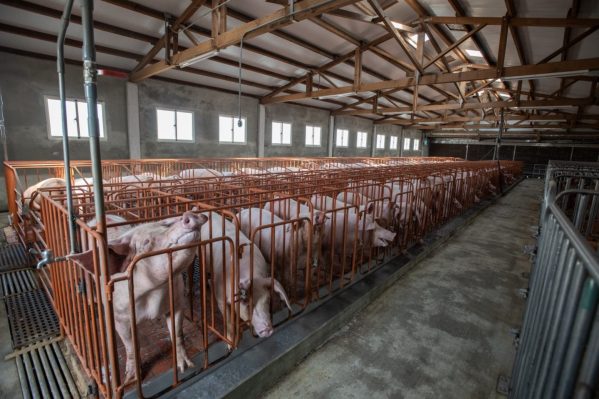
Pig Farm
(Jo-Anne McArthur/We Animals)

Then every future pandemic is on us. Sorry, but it is true. Because the way we farm, hunt, sell and eat animals is a massive underlying vector.

Zoonotic viruses almost always leap to humans directly from our livestock or from wildlife, the slaughter and hunting of which bring susceptible human hosts in particularly close contact with live animals and their infected tissues and fluids.

Both farmed and caged wild animals create the perfect breeding ground for zoonotic diseases. Extraordinarily high population densities, prolonged heightened stress levels, poor sanitation, and unnatural diets create a veritable speed-dating event for viruses to rendezvous with a weakened human host and transcend the species barrier. In fact, we know that this happens routinely—it’s a simple throw of the dice for one of these leaps to coincide with subtle adaptations that allow the virus to transmit more efficiently from human to human. Swapping host species often allows pathogens to take a more sinister turn, causing severe illness or death in their new host despite only triggering mild symptoms in their animal reservoir.

Time and again, zoonotic viruses emerge from these contexts: wave after wave of avian flu, swine fluNipah virus … the list goes on.

Of course, this is reason #363 why humanity needs to shift to a plant-based diet. But it is a major, and at the moment, highly relevant one. After this is all over, will anyone pay attention?

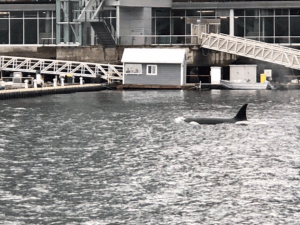
You know who is enjoying the COVID-shutdown?

British Columbia’s resident killer whales, who are exploring areas of Vancouver harbor that are usually too loud and too busy.

As painful and tragic as this pandemic is, it is so helpful to see the many ways in which human presence (or absence of human presence) affects wildlife. It should help us better acknowledge our outsize impact on the planet, and motivate us to do whatever we can to consider the needs and interests of other species as we make choices in our own lives. .